Tudor Is Ahead of Rolex on the Year. Here's the Careful Read
Tudor's pre-owned index is up 13.9% over one year to 7 November 2026, versus 4.5% for Rolex. Why that lead is less simple than it looks for dealers.

By Dejan Zoric
5 min read
The short answer
As of 7 November 2026, a widely tracked pre-owned price index had Tudor up 13.9% over one year, versus 4.5% for Rolex. Rolex has been roughly flat to slightly down over the past one, three, and six months. My view, after years of watching this market, is that Tudor regularly introduces a release that captures attention and later cools, often back to retail or below. I still regard Rolex as the stronger long-term choice, and I see Tudor's year as a function of a strong run of new releases. I would not buy a Tudor above retail.
Key takeaways
- As of 7 November 2026, the Tudor index was up 13.9% over one year, versus 4.5% for Rolex. Over one month, Tudor was down 0.2% and Rolex was down 0.7%.
- Rolex's one-, three-, and six-month changes are all slightly negative, which fits a flat year, not a collapse. Tudor is still down 15.1% over five years.
- The Black Bay Chrono 39 was estimated at $7,909 as of 7 November 2026, above its $6,725 retail as of September 2026, on much thinner volume than a Black Bay 58 or Pelagos 39.
- In my view, Tudor's most talked-about new releases tend to cool over time, often back to retail or below. I would not buy a Tudor above retail, including the Chrono 39.
- Over the long term, I still regard Rolex as the stronger choice. I also expect Tudor to continue growing, and to keep positioning itself in a slightly more premium direction.
After years of watching this market, I have found that Tudor, like any brand, regularly introduces a release that captures attention. In time, those watches cool.
The Black Bay Chrono 39, the yellow model often called the Bumblebee, is a genuinely compelling release. It will remain in demand for a while, though I expect it will cool as well. Nearly every Tudor I have seen eventually recedes toward retail or below, even in the parts of their market that look strong at the moment. The pattern has been remarkably consistent.
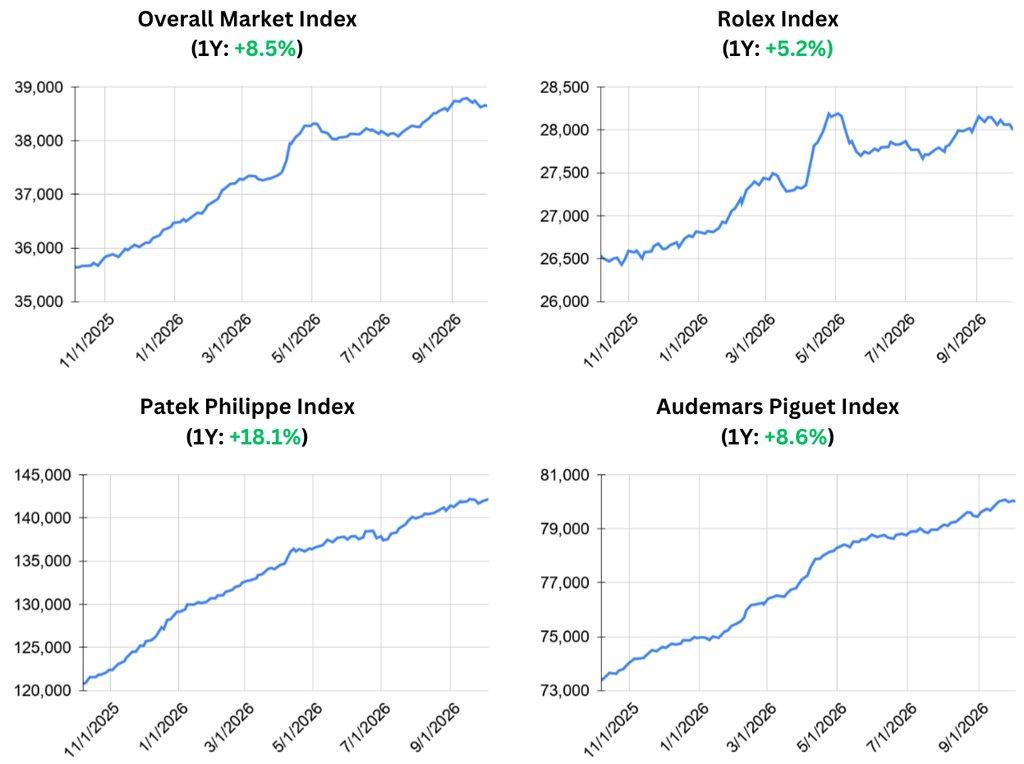
The year-to-date figures will often be told as a simpler story than that. As of 7 November 2026, a widely tracked pre-owned price index had Tudor up 13.9% over one year. Rolex, on the same date and the same kind of index, was up 4.5%.[1] [2] That gap is real. My reading of it is more measured.
What the year actually looks like
All index figures below are market-price indexes in US dollars from that same pre-owned source, as of 7 November 2026, unless a model line says otherwise. The Tudor and Rolex brand indexes each track 30 watches, weighted by transaction value.[1] [2]
| Index | Level | 1 month | 3 months | 6 months | 1 year | 5 years |
|---|---|---|---|---|---|---|
| Tudor | 3,598 | -0.2% | +1.1% | +1.8% | +13.9% | -15.1% |
| Rolex | 27,841 | -0.7% | -0.3% | -0.2% | +4.5% | -13.1% |
| Tudor Black Bay | 3,788 | -0.5% | +1.2% | +1.9% | +13.5% | -16.4% |
| Tudor Pelagos | 3,689 | -0.3% | +2.2% | +4.9% | +8.6% | n/a |
| Tudor Royal | 2,580 | -1.4% | +4.0% | +3.3% | +9.0% | n/a |
The Pelagos and Royal collection indexes do not publish a five-year change on those pages. The Pelagos index is built from 12 models, and the Royal from 10.[4] [5]
Rolex is having an unusual, rather flat year. The index is up only 4.5% over twelve months, and over the past one, three, and six months it is slightly down: -0.7%, -0.3%, and -0.2%.[2] That is not a collapse, but a quiet, sideways stretch. Tudor appears stronger on the one-year figure, but it was also slightly down last month, and it is still 15.1% below where it stood five years ago.[1] A substantial share of that 13.9% is a recovery off a lower base, not a new peak.
Over the long term, I still regard Rolex as the stronger choice, which is why it remains at the center of this market. A 4.5% year on Rolex and a 13.9% year on Tudor are not the same kind of depth.
Tudor is on the rise, and in my view that strength comes from a run of genuinely strong releases. Black Bay is doing most of the one-year work inside the brand. Pelagos is up too, but less, with a stronger six-month run.[3] [4] The new pieces are doing what new Tudor pieces usually do: they attract attention.
Here are four references that dealers encounter regularly, with the dates attached to each figure. "Market" on these pages is an estimated private-sale price. The same source also publishes a higher "expect to pay" figure for buying from a pre-owned dealer. Those are not the same number.
| Watch | Retail (as of) | Private-sale estimate (as of) | Expect to pay a dealer | 1-year sales volume | Median days on market |
|---|---|---|---|---|---|
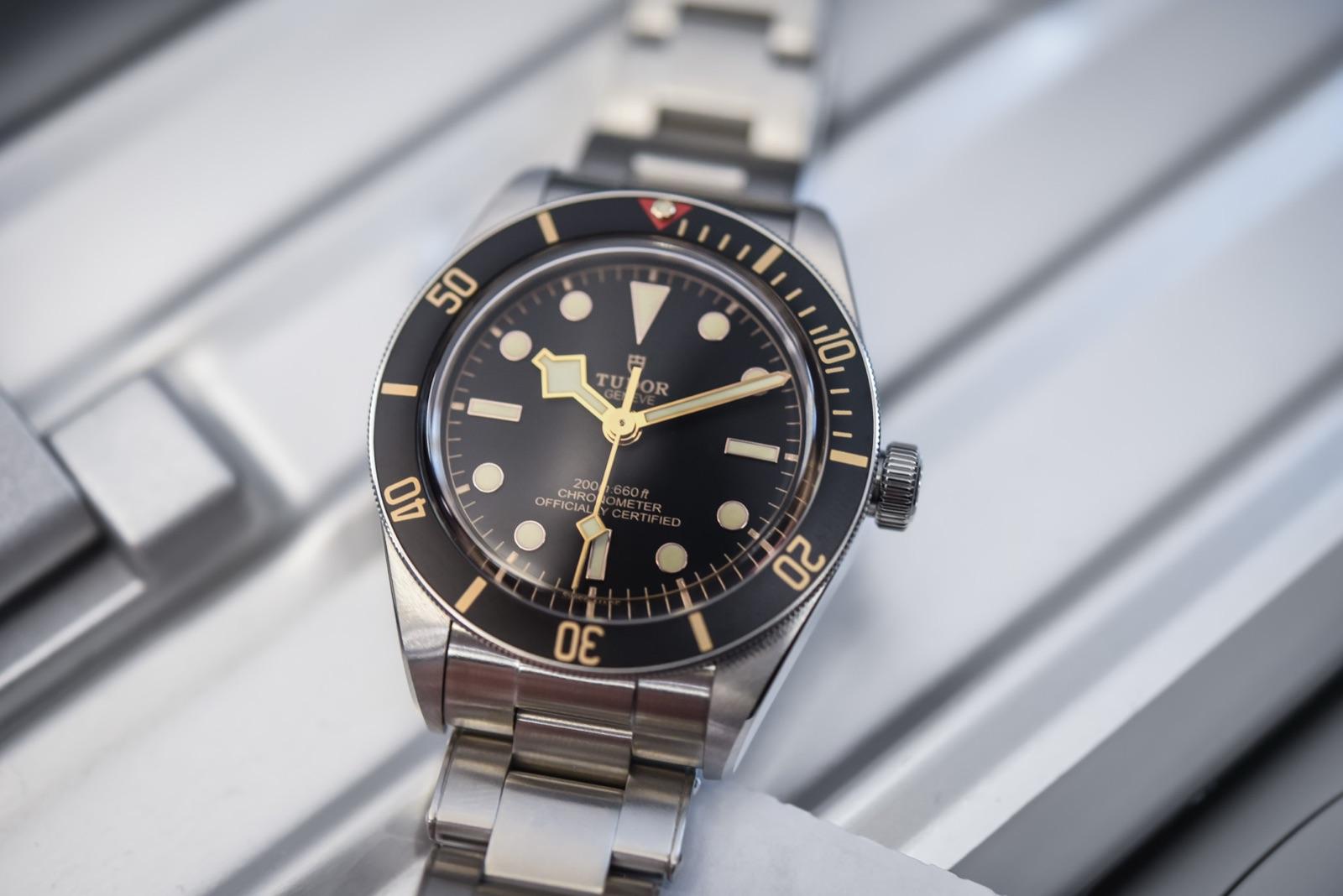
| Black Bay 58 ref. 79030N | $4,700 (Mar 2026) | $3,101 (8 Nov 2026) | $3,676 | 2,380 | 16.0 |
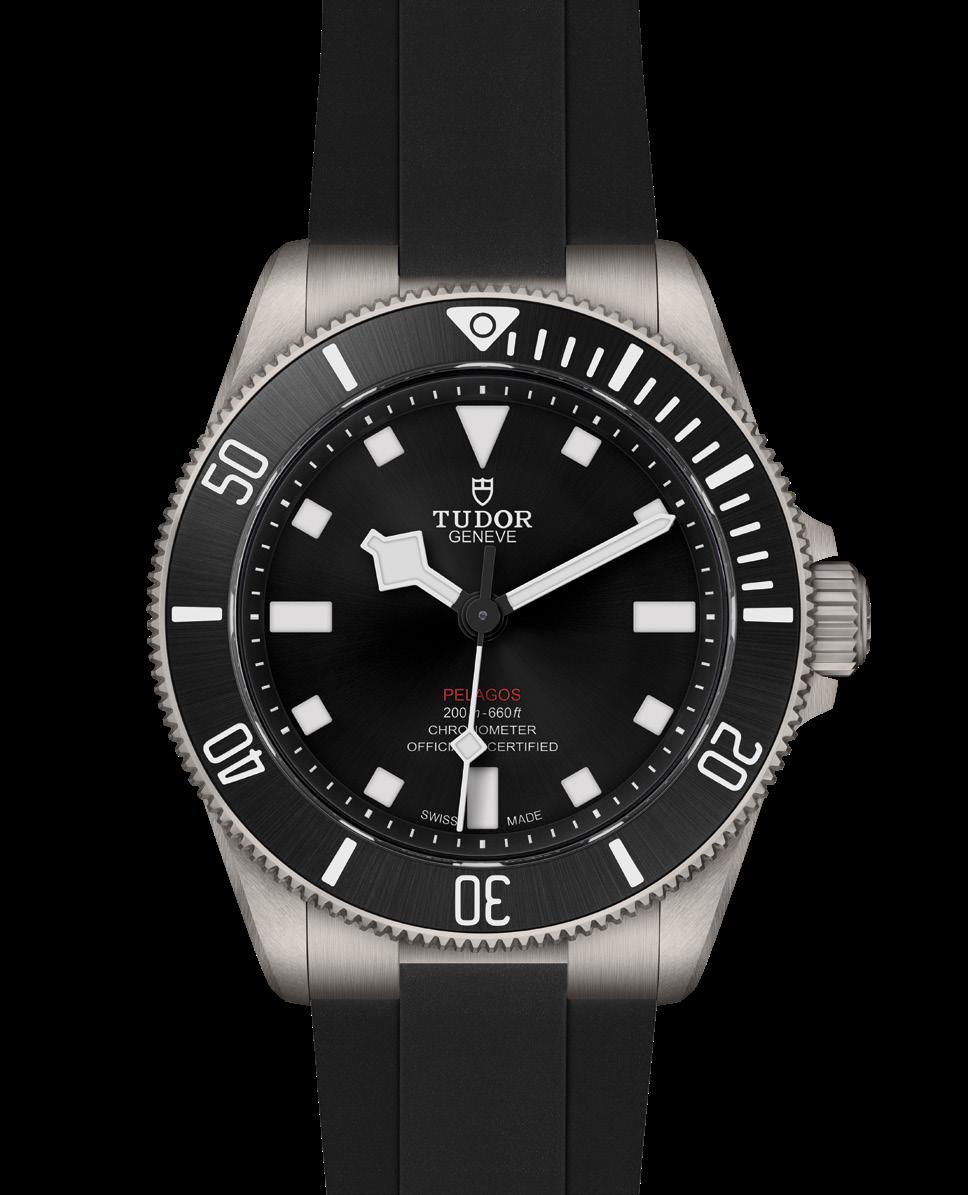
| Pelagos 39 ref. 25407N | $5,625 (Sep 2026) | $3,967 (7 Nov 2026) | $4,447 | 1,313 | 14.1 |
| Ranger ref. 79930 | $3,900 (Sep 2026) | $3,121 (7 Nov 2026) | $3,472 | 347 | n/a |
| Black Bay Chrono 39 ref. 79310N | $6,725 (Sep 2026) | $7,909 (7 Nov 2026) | $8,742 | 162 | 14.0 |
The 79030N is listed as discontinued. The Chrono 39 has been in the market since June 2026. Official suggested retail on Tudor's site is $6,725, which matches the September 2026 retail on the market page.[8] [10] The 36 mm Ranger 79930 has been in the market since March 2026.[9] The Ranger page did not publish a median days-on-market figure that I could use.
The volume still sits in the watches that trade below last retail. A Black Bay 58 or a Pelagos 39 turns in about two weeks, with thousands of recorded sales over a year. The Chrono 39 has 162 sales in its first stretch.[6] [7] [8] Fourteen days on the market looks tight until you remember how few of them have actually changed hands.
The Bumblebee, and where Tudor is headed

The Chrono 39 is the one trading above retail, and it is the one that can encourage overconfidence. The private-sale estimate was $7,909 as of 7 November 2026, against that $6,725 retail, and the dealer-ask guide is higher still.[8] [10] I can see why. It is a new size with a distinctive dial, and it has real presence.
I would not stock it at an excessive premium. Buy it the way you would buy any other Tudor. If you have an AD connection, acquire it at or below retail. I would not personally take one from another dealer above retail in the hope of flipping it to a client or to another dealer. If a buyer does not materialize, you are left holding the piece, and I expect this one to come down. That is my view. Every dealer plays to their own strengths; this is simply my approach.
As a general rule, I would not buy a Tudor above retail. I have sold millions of dollars in watches, and the pattern I have seen with this brand has been remarkably consistent: the new release runs hot, then it cools, and most of them end up back at retail or under it.
I also expect Tudor to continue growing in popularity. Over time, I believe prices will rise, and that the brand will keep positioning itself as slightly more premium. A lot of people still compare Tudor to what Rolex used to be, the working man's tool watch. I see it heading in a more premium direction, with bold dial colourways and a more pronounced appetite for attention. The Bumblebee is a good example of that.
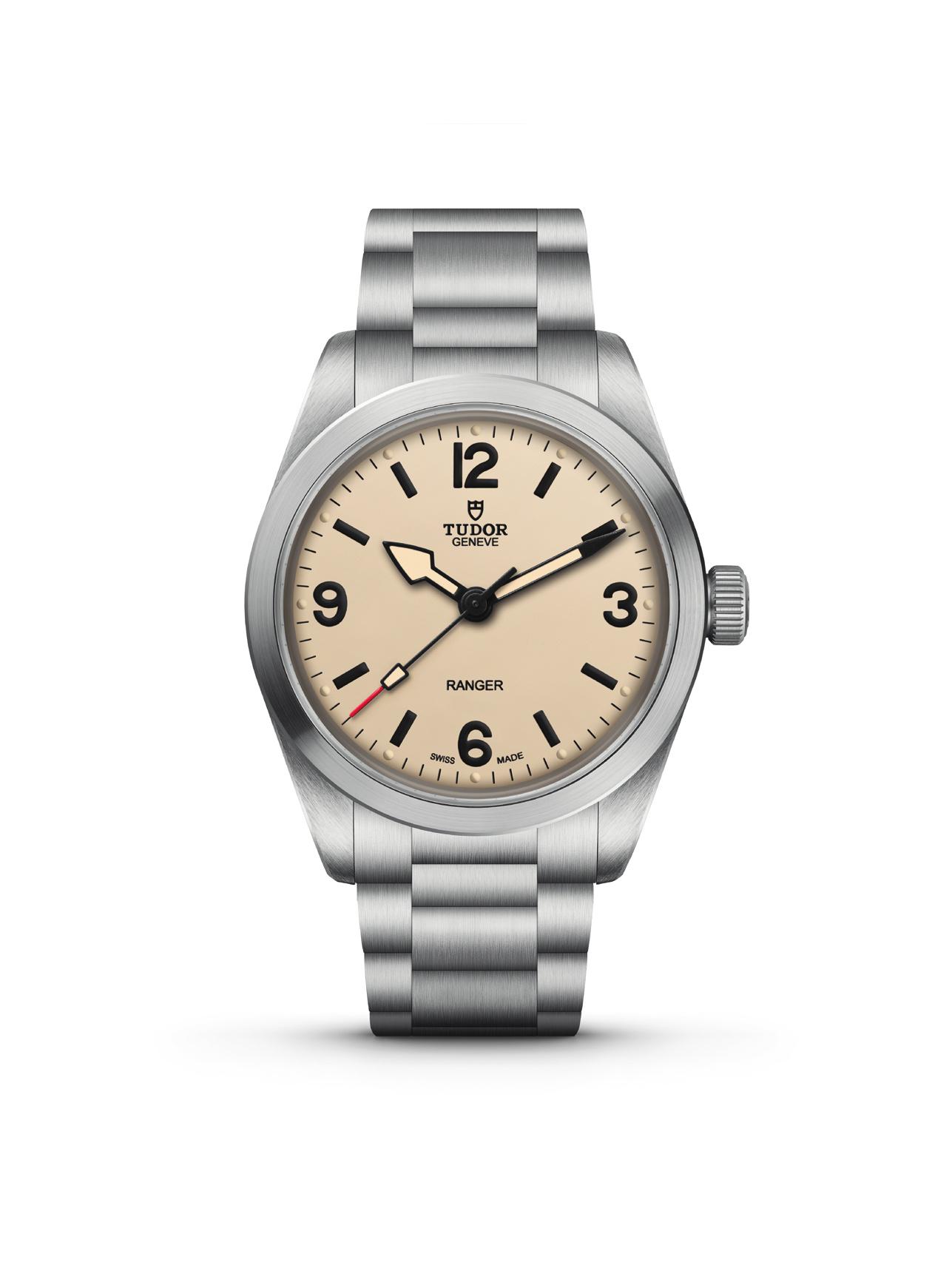
That does not change how I would treat the rest of the case. The 36 mm Ranger is a current model, below its September 2026 retail, with less volume than the Pelagos 39 or the Black Bay 58.[9] A below-retail current piece can still be a clean buy if it turns. It can also sit if you paid near the dealer-ask guide and the next offer comes in at the private-sale number. I would not reprice every Tudor I owned simply because one yellow chrono is above retail.
The figures in this post are dated. The brand indexes are as of 7 November 2026. The Black Bay 58 private-sale estimate is as of 8 November 2026. Retail dates are earlier. If you are comparing a dealer trade, work from the private-sale estimate, not the higher dealer-ask guide, and not last retail.
How to sell watches wholesale covers the exit side if you do end up holding one. Dealers who want trade prices alongside public indexes can apply for access to Soda.
This is market commentary based on published data, not investment advice.
Questions dealers ask
Is the Tudor pre-owned market outperforming Rolex in 2026?
On a one-year basis as of 7 November 2026, yes: the Tudor index was up 13.9%, and the Rolex index was up 4.5%. Over one, three, and six months, Rolex was slightly down. Tudor is still 15.1% below its level of five years earlier.
Is Rolex having a flat year on the secondary market?
As of 7 November 2026, the Rolex index was up 4.5% over one year and slightly down over one month (-0.7%), three months (-0.3%), and six months (-0.2%). That is a modest, fairly flat year, not a sharp drop.
Does the Tudor Black Bay Chrono 39 trade above retail?
As of 7 November 2026, the estimated private-sale price for ref. 79310N was $7,909, against a retail of $6,725 as of September 2026. Official suggested retail on Tudor's site is also $6,725. That is a newer, thinner market than the Black Bay 58 or Pelagos 39.
Would you buy a Tudor above retail?
I would not. That is my general rule, including the Chrono 39. If you have an AD connection, I would rather get it at or below retail than stock one from another dealer above retail and hope to flip it.