The Pre-Owned Watch Market in November 2026
Pre-owned watch prices are up 7.5% in a year, but Rolex has stalled and listed supply is up 19.3%. What the November data and the stock dip mean for dealers.

By Dejan Zoric
6 min read
The short answer
As of 7 November 2026, the leading pre-owned overall market price index stood at 38,829, up 7.5% over a year but down 0.5% over a month. Rolex lagged at +4.5% while Patek Philippe and Tudor led, and listed inventory was up 19.3% year on year in Q3 2026. After the 5 November AI-led stock sell-off, the dealer read is to watch liquidity, quietly diversify beyond Rolex, and treat thinner independent markets with care.
Key takeaways
- Overall pre-owned market index: 38,829 on 7 November 2026, +7.5% over one year, -0.5% over one month.
- Rolex index +4.5% over one year to 7 November 2026, against +14.9% for Patek Philippe.
- Listed inventory across major brands rose 19.3% year on year in Q3 2026.
- On 5 November 2026, the S&P 500 fell 4.4% and the Nasdaq Composite 5.5% in an AI-led sell-off.
- The play this November is to quietly diversify beyond Rolex, while flagging the thinner-market risk.
On this page
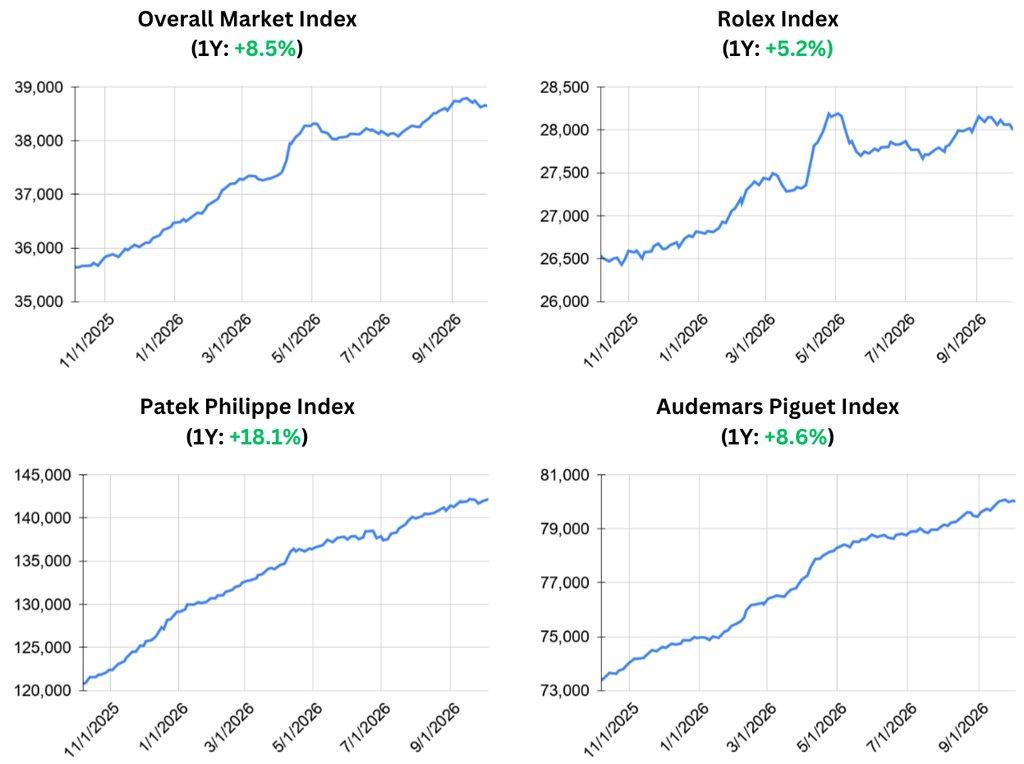
- Prices are up on the year, flat lately. The overall pre-owned market index was up 7.5% over one year and down 0.5% over one month, as of 7 November 2026.[1]
- Rolex is the drag. Its index rose 4.5% over one year to 7 November 2026, well behind Patek Philippe at 14.9%.[1]
- Supply is the warning. Listed inventory across major brands was up 19.3% year on year in Q3 2026.[3] [4]
What the data shows
All index levels below are market-price indexes in US dollars from the most widely tracked pre-owned price index, as of 7 November 2026.[1]
| Index | Level (7 Nov 2026) | 1-year change |
|---|---|---|
| Overall Market | 38,829 | +7.5% |
| Patek Philippe | 141,956 | +14.9% |
| Tudor | 3,598 | +13.9% |
| Audemars Piguet | 80,758 | +8.5% |
| Cartier | 9,749 | +8.3% |
| Omega | 8,820 | +5.0% |
| Rolex | 27,841 | +4.5% |
| Breitling | 5,480 | +4.1% |
Over shorter windows, the Overall Market Index was -0.5% for one month, +0.4% for three months and +1.5% for six months, as of 7 November 2026.[1] The index tracks 300 watches from the top 10 luxury brands, weighted by transaction value.[1]
The month behind those numbers, from the index publisher's September 2026 update (published 10 October 2026):[2]
- The Overall Market Index was flat (0.0%).
- Rolex fell 0.4%, with 11 of its 15 collections down. The Submariner fell 1.0% and the Explorer 1.7%.
- 22 of the 28 brands with average secondary prices above $3,000 rose.
- For Q3 2026, the Overall index gained 1.4%, and A. Lange & Söhne led all brands at +4.3%.
The main quarterly secondary-market report for Q3 2026 found prices up 1.2% on the quarter and 8.3% on the year, with 28 of 35 brands positive. The same report found aggregate listed inventory up 5.7% on the quarter and 19.3% on the year.[3] [4]
What's driving it
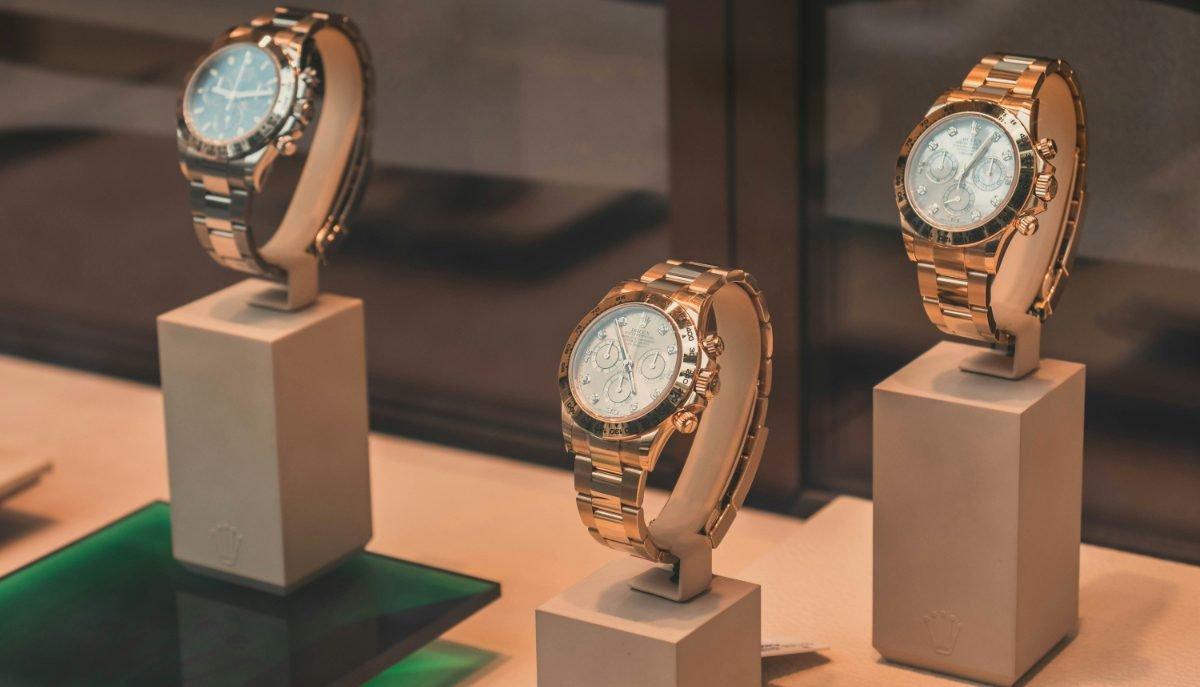
Rolex is more than half of the overall index, so when Rolex slows, the headline slows.[2] My read is that this is a supply story more than a demand story: buyers are still there, but there are more watches competing for each of them, especially in common steel sports references.
The rest of the market is doing the opposite. Gains outside the Big Three are broad, led by Lange, Chopard, Vacheron Constantin and Breguet in Q3.[2] My read is that collectors who started with the obvious references are moving to brands with less supply pressure. That helps dealers with depth in those brands, but those markets are thinner and can take longer to sell into.
Audemars Piguet sits in between. Its index rose 8.5% over one year to 7 November 2026, ahead of Rolex but behind Patek Philippe.[1] With AP now running its own certified pre-owned platform in Europe, it is a brand to watch in the next few updates.
The inventory number matters most for a dealer. An index measures the price of watches that sold. It says nothing about how long the one you bought last week will sit. When listings grow faster than prices, the cost shows up in holding time and in more competing asks, not in a falling chart.
Lately I've also been hearing something from dealers, and from previous clients of mine: they're walking into Rolex authorized dealers and there is actually stuff for sale now. Not the good stuff. You're not walking in and being offered a Daytona. But a lot more pieces are being put in front of people, including precious metal Rolex and the more basic models. That's what I'm hearing, not a data point, but it fits with a market where Rolex is easier to find than it was a couple of years ago.
After four years dealing luxury watches, the rule I come back to is simple: risk first. A rising index doesn't pay your bills. Selling the watch you bought does. Buy what you know and what fits your clientele, and don't buy hype because a chart went up.
Stocks, money flows, and what it means for watches
You have probably seen the headlines. On 5 November 2026 the US stock market took a real tumble, led by AI stocks. AP News and CNBC reported the S&P 500 fell 4.4%, the Dow dropped 3.4%, and the Nasdaq Composite sank 5.5% into correction territory, the worst day for those indexes since April 2025. Nvidia fell more than 9%.[5] [6]
Money does flow in and out of luxury assets when stocks get hit, but it is not a simple switch. In 2022, pre-owned prices peaked in the first quarter and then fell for the rest of the year, alongside tech stocks and crypto. Morgan Stanley, using WatchCharts data, found the secondary market was down 8% that year, against a 19% drop in the S&P 500 and a 65% drop in Bitcoin, as Bloomberg reported.[7] Business Insider, covering the same note, also had the Nasdaq down 33%.[8] WatchPro pointed out that a lot of the correction was supply: after the boom, dealers and owners put far more watches on the market.[9]
My read is this. A sharp drop in stocks can make some buyers more cautious, especially people whose wealth is sitting in the market, and it can loosen more watches for sale if owners want cash. Liquidity can tighten even if the price index hasn't moved yet. One Thursday does not set the next three months, and 2022 showed watches can fall without falling as hard as stocks. I would not panic-cut prices off the back of it, or go shopping just because I think the dip is a bargain. I would watch how quickly pieces are actually moving.
For dealers, I think the play this November is to quietly diversify beyond Rolex. Rolex is still what moves for most people, but I can feel this creep-up of the independent brands. Go in with your eyes open. Those markets are thinner, they can take longer to sell, and they punish you if you don't really know the product.
Risk scenarios for the next few months
- You keep buying common steel Rolex at last year's numbers. Prices are flat and listings are up, so the watch sits longer and you cut the price to move it. The margin goes to holding time.
- You chase the brands at the top of the table. A brand index rising does not mean your piece will sell fast. Thinner markets can take longer to place, and if you paid up without really knowing the category, the gain on the chart never reaches you.
- You buy at exit-based prices and keep a tight hold-time rule. Rising supply still costs you some speed, but you are not stuck holding last year's numbers.
What dealers should do
- Buy on exit price. Work back from what the watch will realistically sell for to another dealer in the next few weeks, not from the index or the highest retail ask.
- Tighten Rolex sports buying. With the Rolex index flat over recent months and supply at records, the margin for error on common steel references is thin.[2]
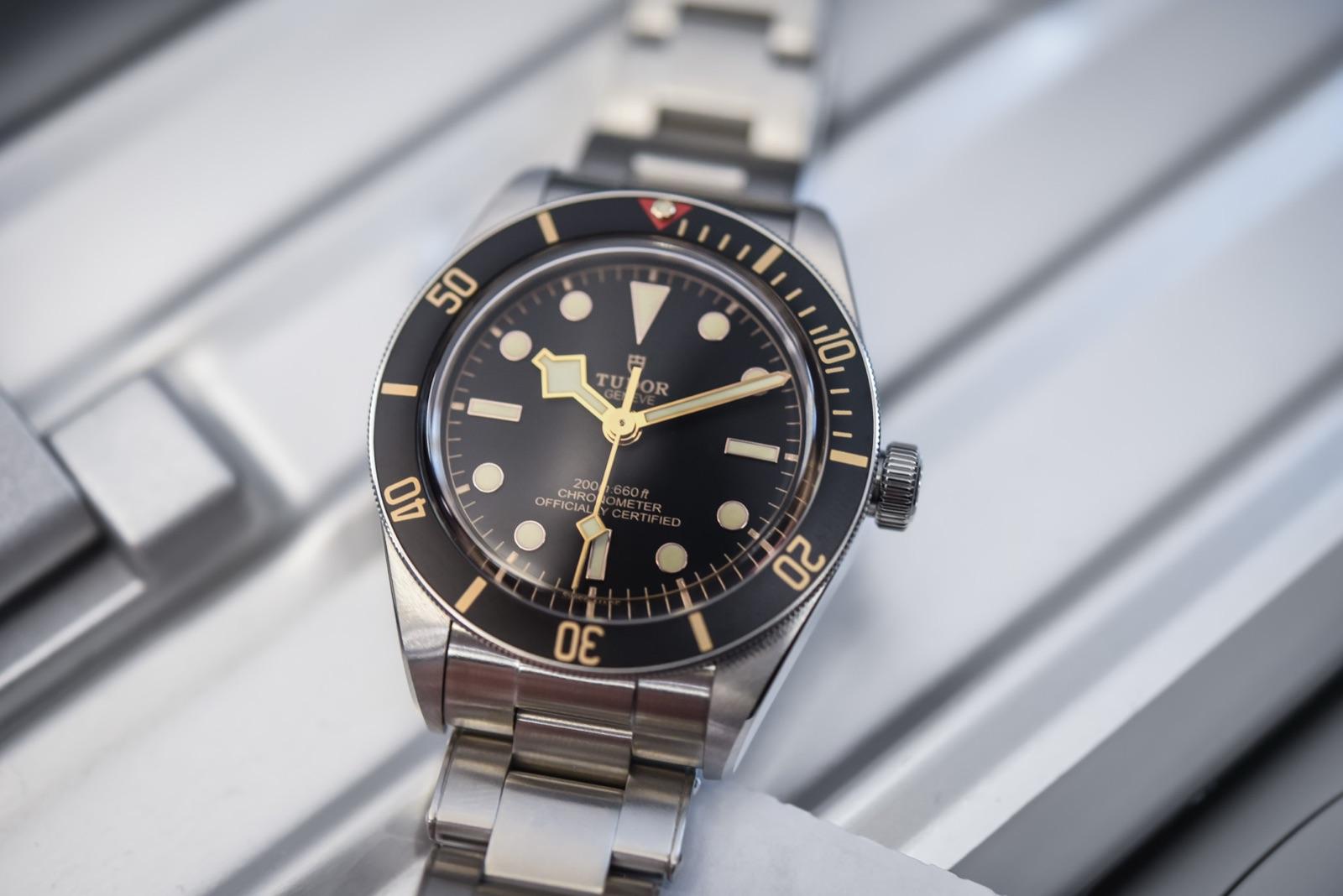
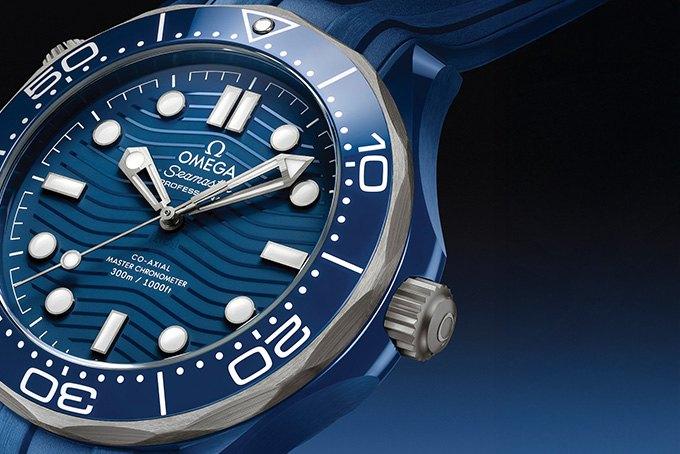
- Widen your mix carefully. Patek Philippe, Tudor, Cartier, Lange and some independents are getting more interest, but those markets can be thinner, so check how quickly each actually sells before you commit capital. Not every alternative holds value: in my experience most Omegas trade well below retail, so don't treat a brand index as a promise. Why selling only Rolex is risky explains the exposure.
- Set a time rule. Decide in advance how many days a watch can sit before you reprice it, and stick to it.
- Watch supply, not just prices. My read is that rising inventory shows up before prices react. Track how many comparable pieces are listed each time you buy, and watch how quickly stock is actually turning after a week like this in the equity market.
- Don't let the mix go stale. What you carry still shapes the calls you get; see what you stock decides your clients.
If you want dealer-to-dealer trade prices alongside the public indexes, you can apply for access to Soda.
This is market commentary based on published data, not investment advice.
Questions dealers ask
Are pre-owned watch prices going up in November 2026?
Over a year, yes: the leading overall pre-owned price index was up 7.5% as of 7 November 2026. Over one month it was down 0.5%, and over three months up 0.4%.
Why are pre-owned Rolex prices lagging?
Listed secondary inventory rose 19.3% year on year in Q3 2026, so more watches are competing for each buyer. In September 2026, 11 of 15 Rolex collections tracked by the index fell.
Which watch brands rose most in the past year?
Among the brand price indexes as of 7 November 2026, Patek Philippe rose 14.9% and Tudor 13.9% over one year.
Does a stock market drop affect pre-owned watch prices?
Not one-for-one. In 2022, Morgan Stanley and WatchCharts found secondary watch prices fell 8%, less than the S&P 500's 19% drop, and a lot of that was rising supply after a boom. A sharp equity sell-off can still make some buyers more cautious and loosen more watches into the market. One session does not set the year.