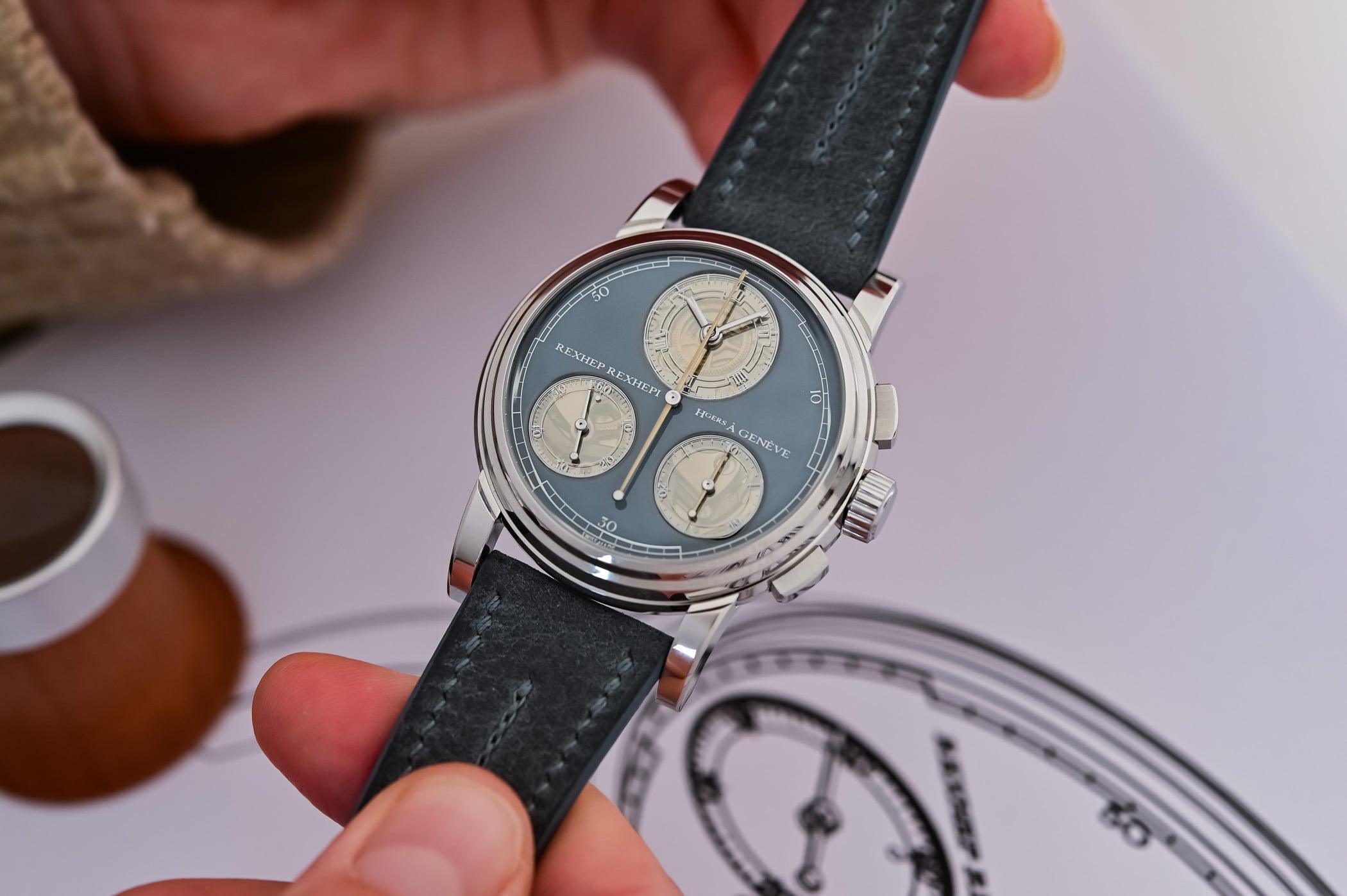
Zenith Is Trying to Go Haute. What That Means on the Secondary Market
A staff consultation at Zenith runs through 12 November 2026. What is confirmed, what is only proposed, and how Chronomaster, Defy and Pilot are trading.

By Dejan Zoric
6 min read
The short answer
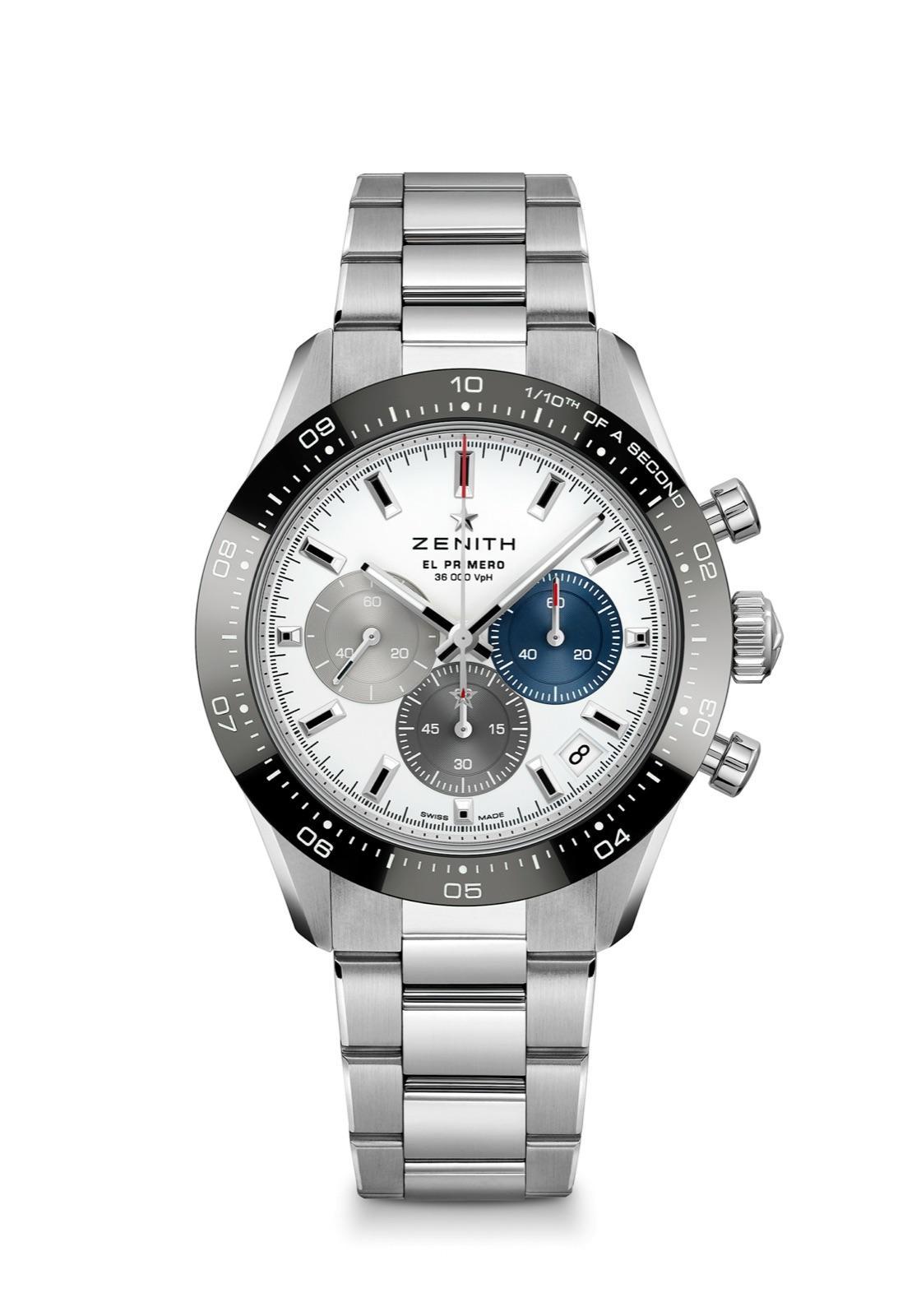
From what I am seeing, Zenith occupies an unusual position: serious watchmaking and substantial history, including the modified El Primero Rolex used in the Daytona from 1988 to 2000, but retail prices that, in my view, sit high relative to the brand's popularity. The steel Chronomaster Sport is $12,300 officially in the US, against $7,800 to $9,000 for a steel Moonwatch Professional and $6,725 to $7,000 for Tudor's Black Bay chronographs. A staff consultation opened on 22 October 2026 and runs until 12 November 2026. Catalogue cuts remain unconfirmed. Many dealers I know have little interest in buying Zenith, or will only do so at a steep discount.
Key takeaways
- The staff consultation opened on 22 October 2026 and runs until 12 November 2026. Reports that Chronomaster, Defy and Pilot will be dropped remain unconfirmed.
- Rolex used a modified El Primero, called caliber 4030, in the Cosmograph Daytona from 1988 to 2000.
- The Chronomaster Sport's El Primero 3600 beats at 5 Hz and measures tenths of a second. The Defy Extreme can measure hundredths, with a 50 Hz chronograph escapement.
- Official US retail is $12,300 for the steel Chronomaster Sport, $7,800 to $9,000 for a steel Moonwatch Professional, and $6,725 to $7,000 for Tudor's current Black Bay chronographs.
- Zenith is a refined, premium product in a difficult position: not typically a first luxury watch, and not a piece many grey-market dealers are eager to take in.
From what I am seeing, and from what I hear from others in the trade, Zenith occupies an unusual position. The watches themselves are excellent, and the history is substantial. In my view, however, the retail prices sit toward the high end relative to the brand's popularity, and the marketing has not been as effective as the product deserves.
That heritage is a matter of record, not a slogan. From 1988 to 2000, Rolex's first automatic Cosmograph Daytona used caliber 4030, a modified version of Zenith's El Primero.[13] [14] Rolex heavily reworked the movement, including lowering the beat rate, but the base was Zenith. That is a genuine contribution to one of the most important chronographs ever made.
What the brand is best known for today is more specialized: high-precision chronographs. The Chronomaster Sport uses the El Primero 3600, which beats at 5 Hz, or 36,000 vibrations an hour, and can measure and display tenths of a second.[10] The Defy Extreme goes further. It can measure hundredths of a second, with two escapements: one at 5 Hz for timekeeping, and another at 50 Hz, or 360,000 vibrations an hour, for the chronograph.[20] That is serious watchmaking. The question I return to is whether this is what collectors actually want.
An accomplished watch at a demanding price
The Chronomaster Sport is a genuinely attractive watch, and the quality is not in doubt. If one is buying it because of the Rolex history, or because of a resemblance to the Daytona, it remains not a Daytona, and it is expensive.
Official US retail for the steel Chronomaster Sport, white dial or black, is $12,300.[10] [21] A Speedmaster Moonwatch Professional on a steel bracelet is $7,800 in the hesalite version and $9,000 in the sapphire version, on Omega's US site right now.[16] [15] Tudor's Black Bay Chrono 39 is $6,725. The 41 mm Black Bay Chrono is listed at $6,875 to $7,000, depending on the steel configuration.[17] [18] [19]
The comparison holds. The Chronomaster Sport costs more than a steel Moonwatch Professional and more than Tudor's current Black Bay chronographs, by a few thousand dollars either way. Omega and Tudor are more firmly established, and I believe their marketing is stronger. Zenith is a highly refined, premium product. It simply occupies a difficult position.
There is also the question of who actually buys one. Omega and Tudor are often someone's first luxury watch. I do not believe a Chronomaster Sport typically serves that role. It is a watch one buys having already begun a collection, which places it in an awkward middle ground.
What is confirmed in the news, and what is only proposed
Zenith is in the middle of a staff consultation, not at the end of a finished plan. A consultation opened on 22 October 2026 and runs until 12 November 2026. The company has said it will not spell out the project in detail before that process ends.[1] [2] [3] As of the date of this post, that window is still open.
Press reports have put about 100 of roughly 196 to 200 jobs at the Le Locle manufacture at risk, plus about 100 roles in international distribution.[1] [2] Those are reported figures for jobs under threat, not a tally of cuts already made.
The chief executive, Benoit De Clerck, in the role since January 2024, has pointed to pressure in the mid-range, a strong Swiss franc, tariffs in the United States, and demand that is firmer in Asia and the Middle East than in some other markets.[1] People close to the company have said after-sales service, and the supply of movements used elsewhere in the group, are expected to continue.[2]
The upmarket plan is still in the proposed column. Reporting has described a shift toward lower-volume, higher-end watchmaking. One account, written in conditional terms, talked about leaving the core range around 8,000 to 15,000 Swiss francs and pointed to pieces such as the G.F.J. Calibre 135, which starts just under 50,000 Swiss francs.[1] A later report, dated 6 November 2026, said the scope of the project is still being defined.[3]
One widely read report, citing unnamed sources, said the firm is expected to stop many core models, including Chronomaster, Defy and Pilot.[2] That has not been confirmed by the company. An industry consultant has separately estimated that Zenith revenue may have fallen by about 30% over two years, against about 5% for the Swiss market as a whole.[4] That is his estimate, not a figure released by the brand.
We will have to see what comes out of the news, and what the company actually does. It would be a loss for the hobby and for the watch business if Zenith were in serious decline, or heading toward its demise. If they do discontinue models, used prices may rise. That has happened with many brands when models leave the catalogue. I am not predicting it. I am saying it is possible.
What the secondary market is doing now
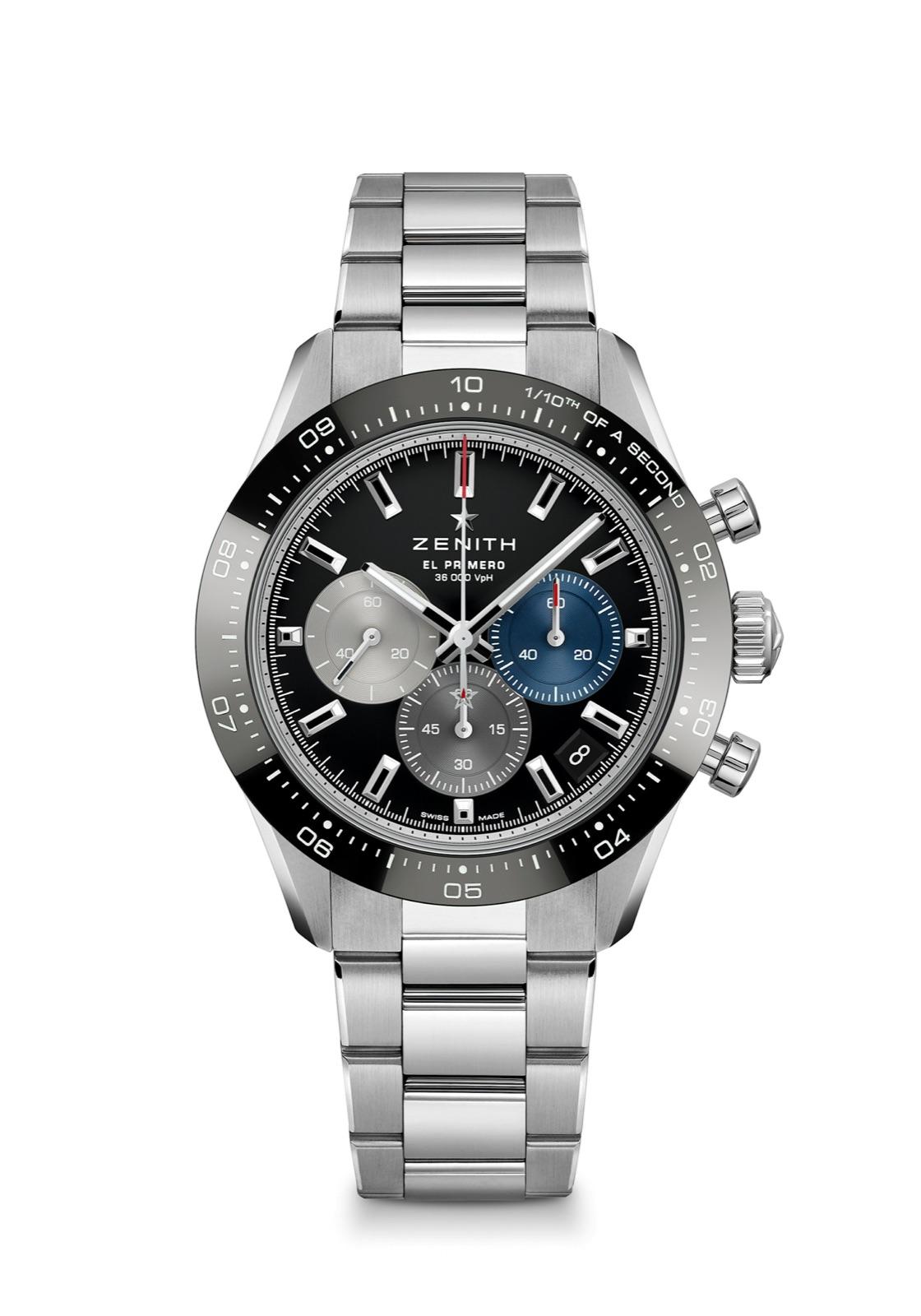
All index and model figures below are market-price data in US dollars from a widely used pre-owned source, as of 7 November 2026, unless a line says otherwise. "Market" on the model pages is an estimated private-sale price. The same pages also publish a higher "expect to pay" figure for buying from a pre-owned dealer.
| Index | Level | 1 month | 3 months | 6 months | 1 year | 5 years |
|---|---|---|---|---|---|---|
| Zenith | 9,175 | +0.4% | +2.0% | +3.1% | +7.5% | -9.8% |
| El Primero (includes Chronomaster) | 7,890 | -0.2% | +0.9% | +3.2% | +7.8% | -10.9% |
| Defy | 8,758 | +1.1% | +3.1% | +3.1% | +5.4% | -7.5% |
| Pilot | 4,447 | +0.1% | +1.1% | +2.8% | +3.1% | -7.0% |
The brand is up over one year and still down over five. El Primero, which includes the Chronomaster family, has done more of the one-year work than Pilot. Defy sits in between.
| Watch | Retail (as of) | Private-sale estimate (7 Nov 2026) | Expect to pay a dealer | 1-year sales volume | Median days on market |
|---|---|---|---|---|---|
| Chronomaster Sport 03.3100.3600/69 | $12,300 current official US retail | $7,273 | $8,101 | 426 | 26.9 |
| Defy Classic titanium 95.9000.670/78 | ~$8,000 (Mar 2021, unverified as current) | $5,215 | $5,615 | 240 | 33.0 |
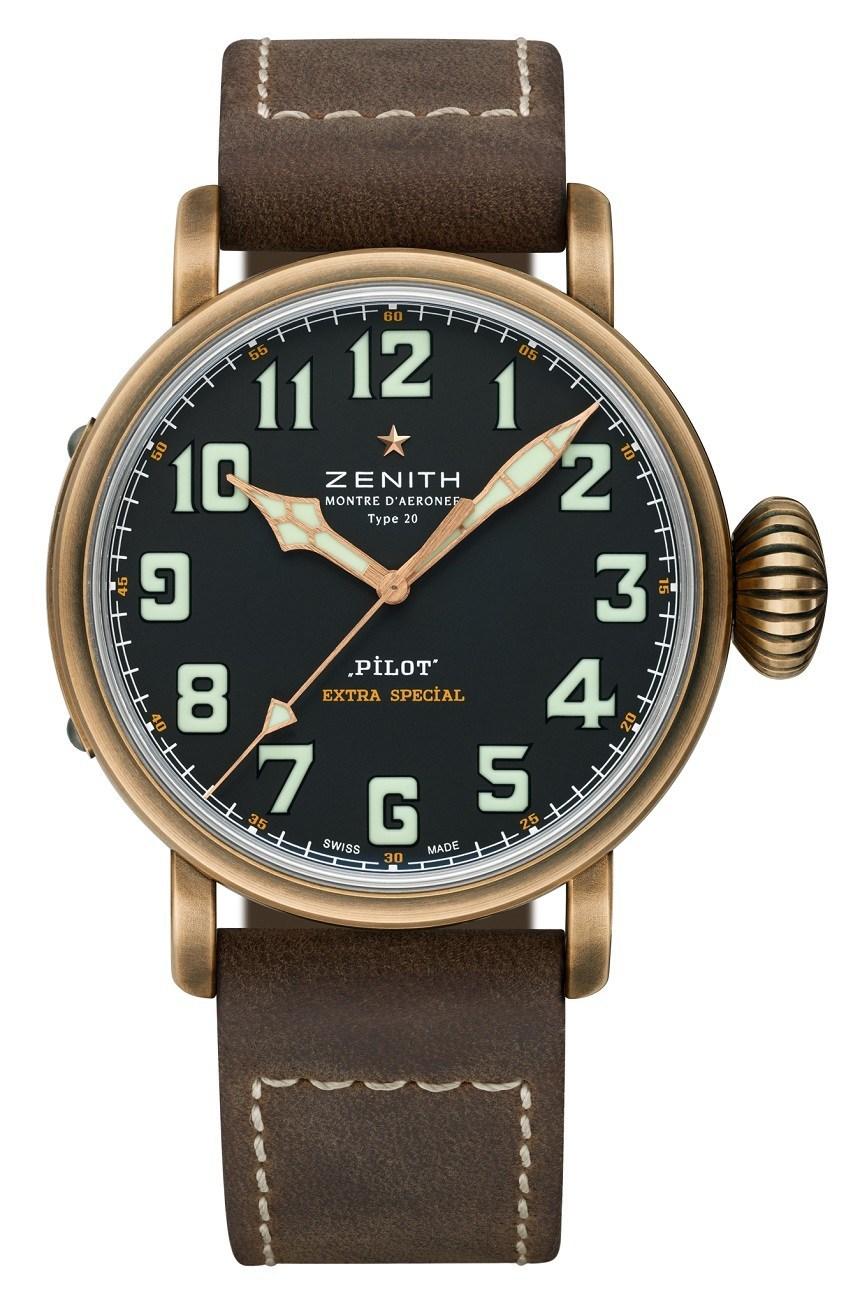
| Pilot Type 20 Extra Special Bronze 29.2430.679/21 | ~$8,800 (Mar 2021, unverified as current) | $3,529 | $3,931 | 66 | 52.1 |
Some market pages still show an older Chronomaster Sport retail around $11,200 dated January 2021. That figure is stale. I am using the official $12,300. The Defy and Pilot retail figures above are dated March 2021 on those market pages, so I am treating them as historical list prices, not as confirmed 2026 retail.
The Chronomaster Sport is the most liquid of the three, and it still changes hands at a wide discount to current retail: $7,273 on the private-sale estimate, and $8,101 on the dealer-ask guide, against $12,300 on the official site.[9] [10] A median of 26.9 days is not a two-week turn. The Defy Classic in titanium is slower, at 240 sales over the year and a median of 33 days.[11] The Pilot Type 20 Extra Special Bronze is thinner still: 66 recorded sales and a median of 52.1 days, with a private-sale estimate of $3,529.[12]
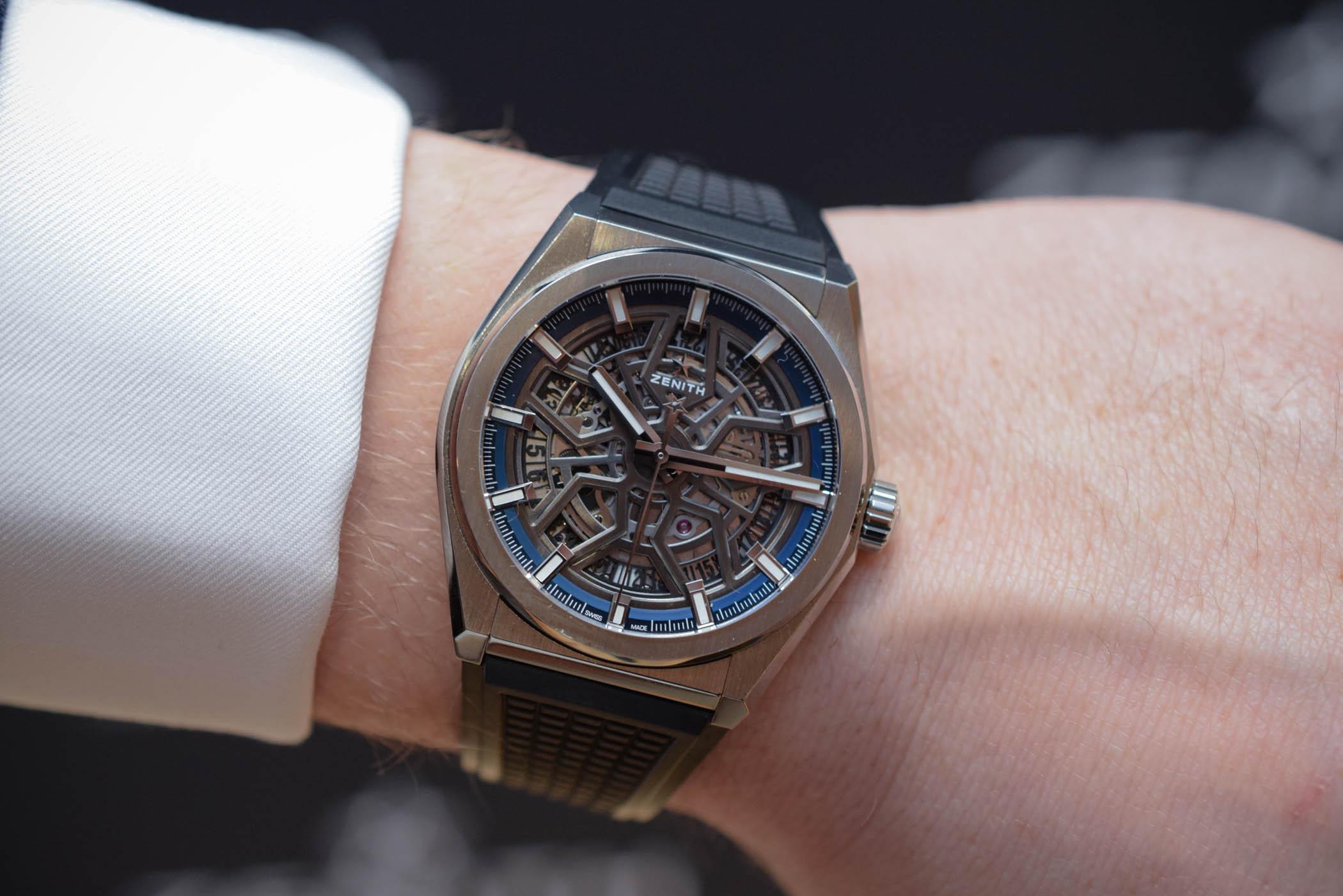
That used-market picture is consistent with what I have seen in the trade. At present, many watch dealers I know have little interest in buying Zenith. Those who do tend to do so only at a steep discount. It is not a brand many grey-market dealers are eager to hold.
When I worked as a watch dealer in Vancouver, a Zenith coming across the counter was understood to be a watch that would take time to sell, and we made a conservative offer accordingly. In my experience, that approach remains common among dealers.
That is the brand as I see it at present: refined, historically important, and occupying an awkward middle ground. We will have to see what comes of this consultation, and what the company actually does next. I hope they find their footing. A manufacture with that history is worth having around.
This is market commentary based on published reporting and price data, not investment advice. The consultation window was still open when this was written.
Questions dealers ask
Is Zenith discontinuing the Chronomaster, Defy and Pilot?
That has been reported as an expected outcome by unnamed sources. It has not been confirmed by the company, and the staff consultation is still open until 12 November 2026.
Did Rolex use a Zenith movement in the Daytona?
Yes. From 1988 to 2000, Rolex's automatic Cosmograph Daytona used caliber 4030, a modified version of Zenith's El Primero.
How does Chronomaster Sport retail compare with a Speedmaster or a Tudor chronograph?
Official US retail for the steel Chronomaster Sport is $12,300. A steel Speedmaster Moonwatch Professional is $7,800 with hesalite crystal and $9,000 with sapphire. Tudor's Black Bay Chrono 39 is $6,725, and the 41 mm Black Bay Chrono is listed at $6,875 to $7,000 depending on the steel configuration.
How is the used Zenith market trading right now?
As of 7 November 2026, the brand index was up 7.5% over one year and still down 9.8% over five years. A Chronomaster Sport had an estimated private-sale price of $7,273, well below the $12,300 official US retail, with more volume than a Defy Classic or a Pilot Type 20 Extra Special Bronze.